
Aviation parts specifically refer to components of the aircraft airframe. They are primarily categorized into three core groups: aero-engine components, airframe structural parts, and airborne equipment.
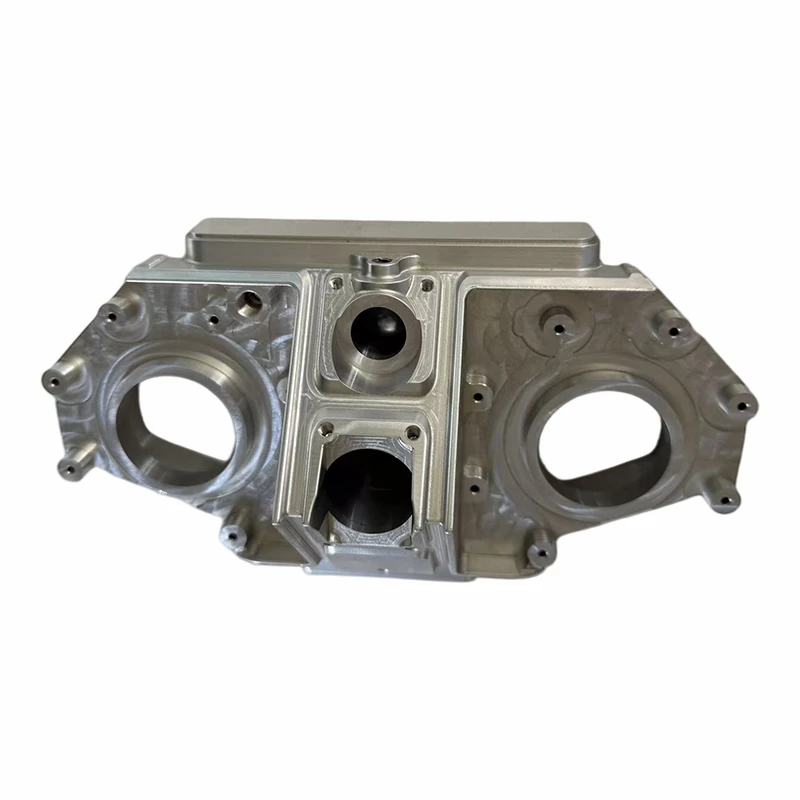
These parts are generally manufactured from metallic materials (such as titanium alloys, aluminum alloys, magnesium alloys, structural steels, stainless steels, and superalloys) and non-metallic materials (such as carbon fiber, aerospace ceramics, specialty ceramics, and specialty rubber).
The aircraft airframe constitutes the external structure and the primary load-bearing framework of the aircraft; it encompasses major assemblies such as the fuselage, wings, empennage, and landing gear, as well as key components like spars, stringers, ribs, and frames.
Aircraft comprise a vast array of parts-averaging between 20,000 and 40,000 items-and the processes involved in their design, manufacturing, machining, and assembly entail extremely high technical standards and significant technological barriers.
The value distribution of components differs significantly between military and civil aircraft due to their distinct operational purposes. For military aircraft, avionics and electromechanical systems account for 37% of the value, engines for 25%, and airframe structures for 19%. In contrast, for civil aircraft, airframe structures represent 36% of the total value, followed by avionics and electromechanical systems at 30%, with propulsion systems ranking next.
The manufacturing cost of an aero-engine (excluding the control system) consists primarily of raw material costs and labor costs, which account for 40%–60% and 25%–35% of the total, respectively. The primary raw materials used are superalloys and titanium alloys, which represent approximately 35% and 30% of the material value, respectively.